


Why Bhutan Should Be Your First Himalayan Adventure
If you have always been fascinated by the idea of discovering
the Himalayas, then Bhutan might be your destination. Squeezed between India
and China, this tiny Himalayan kingdom not only has breathtaking mountain
landscapes but also possesses an interesting culture and ambiance that
distinguishes it from others. Unlike most commercialized tourist destinations,
Bhutan encourages ecotourism, giving travelers the opportunity to truly
appreciate their destination.
Bhutan is a popular choice among first-time travelers, thanks
to its perfect blend of adventure and accessibility. The country offers
exciting experiences in an environment that is both welcoming and easy to
explore. Everywhere you go in Bhutan, whether that may be in mountain passes or
valleys, ancient temples located at the top of mountains, or small villages
where locals live, everything will seem like something new. At the same time,
you can enjoy all the beauty that the place has to offer without having to be
an experienced hiker.
Apart from its picturesque landscapes, Bhutan is known for
exceptional hospitality and spiritual significance. Bhutan's Gross National
Happiness is a philosophy centered on well-being, communal relationships, and
environmental conservation. Tourists usually return from their visits not only
with photographs but with much more valuable insights.
Bhutan makes the perfect choice for someone who is planning
their first Himalayan trip. With its combination of culture and nature,
everything about a visit to Bhutan is an experience worth remembering.
Ready to Embark on Your Bhutanese Journey?
Bhutan is one of the most unusual places in the world, where
the traveler will find a number of monasteries, incredible mountainous scenery,
and rich traditions that together make an absolutely unforgettable journey. In
case you are thinking about visiting Bhutan for the first time, it is important
to know which places should be seen during the trip. In order to help you plan
your journey, the list of the top 8 places to visit in Bhutan for the
first-time traveler was created. The places mentioned below were chosen due to
their importance for the culture of the country, beautiful scenery, unique
experience,and the interest of tourists.
Tiger's Nest Monastery
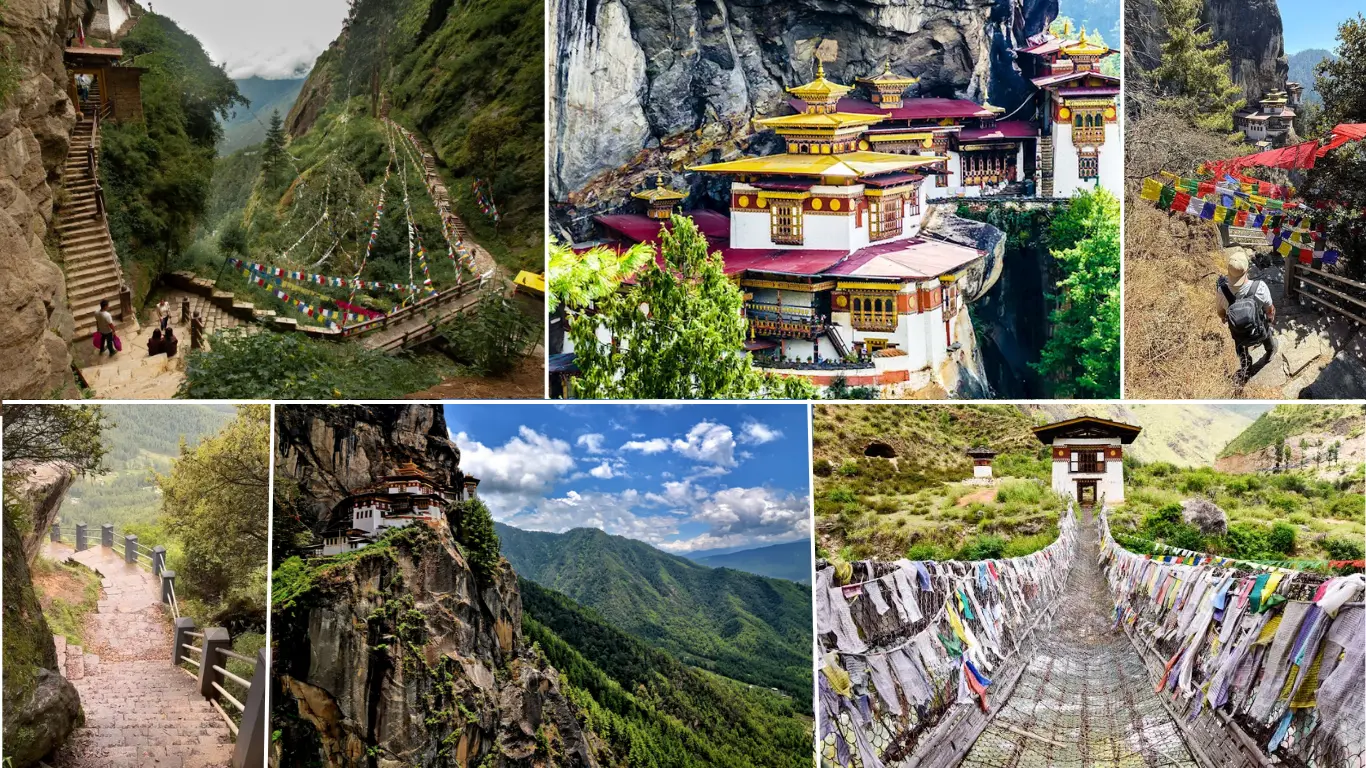
Tiger’s Nest Monastery or Paro Taktsang, is the most famous
monument in the country and the most holy place of Buddhism in the Himalayas.
It is situated at a height of around 900 meters above the ground in the Paro
valley, which is about 10 km away from Paro town in the west of Bhutan.
The name Taktsang means “Tiger’s Lair” or “Tiger’s Nest.”
According to local legends in Bhutan, the venerated Buddhist guru, Guru
Rinpoche, popularly referred to as Padmasambhava, is said to have flown to this
mountain top riding a tigress way back in the 8th century. It is said that he
meditated in caves in this place for a period of several months. Buddhism was
spread by him in this place. This monastery came up after constructing the
meditation caves in the year 1692.
Tiger’s Nest Monastery stands as a testament to the rich
spiritual legacy and commitment of Bhutan to Buddhism. This monastery, over
time, has turned into an embodiment of spirituality and enlightenment, bringing
together pilgrims and tourists from all across the globe. Even though it has
been damaged by fire and other calamities, it has still managed to be renovated
to maintain its historical and cultural significance.
Buddha Dordenma
One of the tallest sitting Buddha statues on Earth, Buddha
Dordenma is also considered to be one of the most beautiful sights in Bhutan.
Built on top of Kuenselphodrang Nature Park, which is located within the
Thimphu City of Bhutan, the statue is visible from every corner of the valley.
It has become an attraction of national importance and is situated on a site
that is of great religious significance.
"Buddha Dordenma," which is the name of the huge
statue of Shakyamuni Buddha, was created on the basis of fulfilling an old
prophecy that promised peace and prosperity in the world. The creation of this
statue was done to mark the 60th anniversary of the fourth king of Bhutan,
Jigme Singye Wangchuck.
The Buddha Dordenma is a symbol of peace, compassion, wisdom,
and enlightenment, all essential elements of Buddhist doctrine. Apart from its
religious significance, the statue symbolizes the country’s efforts to maintain
its spiritual and cultural legacy amid the challenges of the future. In today’s
world, it has become a place of prayers and meditations for pilgrims and other
visitors to Bhutan.
Dochula Pass
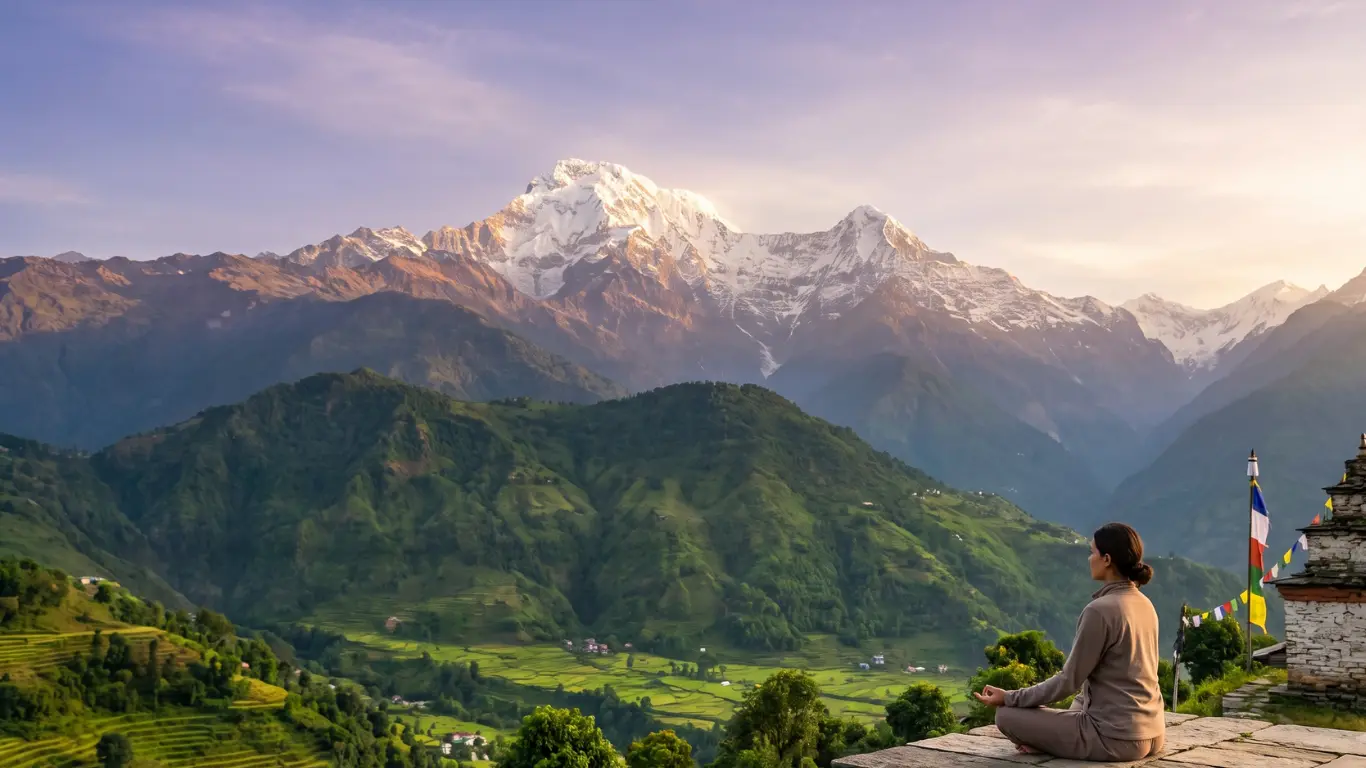
Dochula Pass is among the most picturesque mountain passes in
Bhutan. It sits at an altitude of about 3,100 meters (10,170 feet) on the road
linking Thimphu and Punakha. The area is covered with forests, and during clear
days, one can enjoy the sight of snow-clad Himalayas from here. This place is
often visited by visitors who have come to explore the central and western
parts of Bhutan.
"Dochula" is a combination of "La"
(meaning pass) and "Dochu" that describes the location's geographical
importance. Dochula Pass is famously noted for its 108 chortens or prayer
towers that are referred to as the Druk Wangyal Chortens. The chortens are the
creation of Queen Mother of Bhutan, Ashi Dorji Wangmo Wangchuck, in 2004,
dedicated to the memory of the Bhutanese soldiers who died while on duty in
Southern Bhutan.
Dochula Pass is a symbol of remembrance, peace, and unity of
the nation. The well-decorated chortens and prayer flags, along with the Druk
Wangyal Lhakhang Temple, make it a spiritually charged location that is
associated with the religious beliefs of Bhutan. In modern times, Dochula Pass
is not only a place of remembrance but also a gate to the magnificent mountain
landscape of the country.
Phobjikha and Gangtey Valley
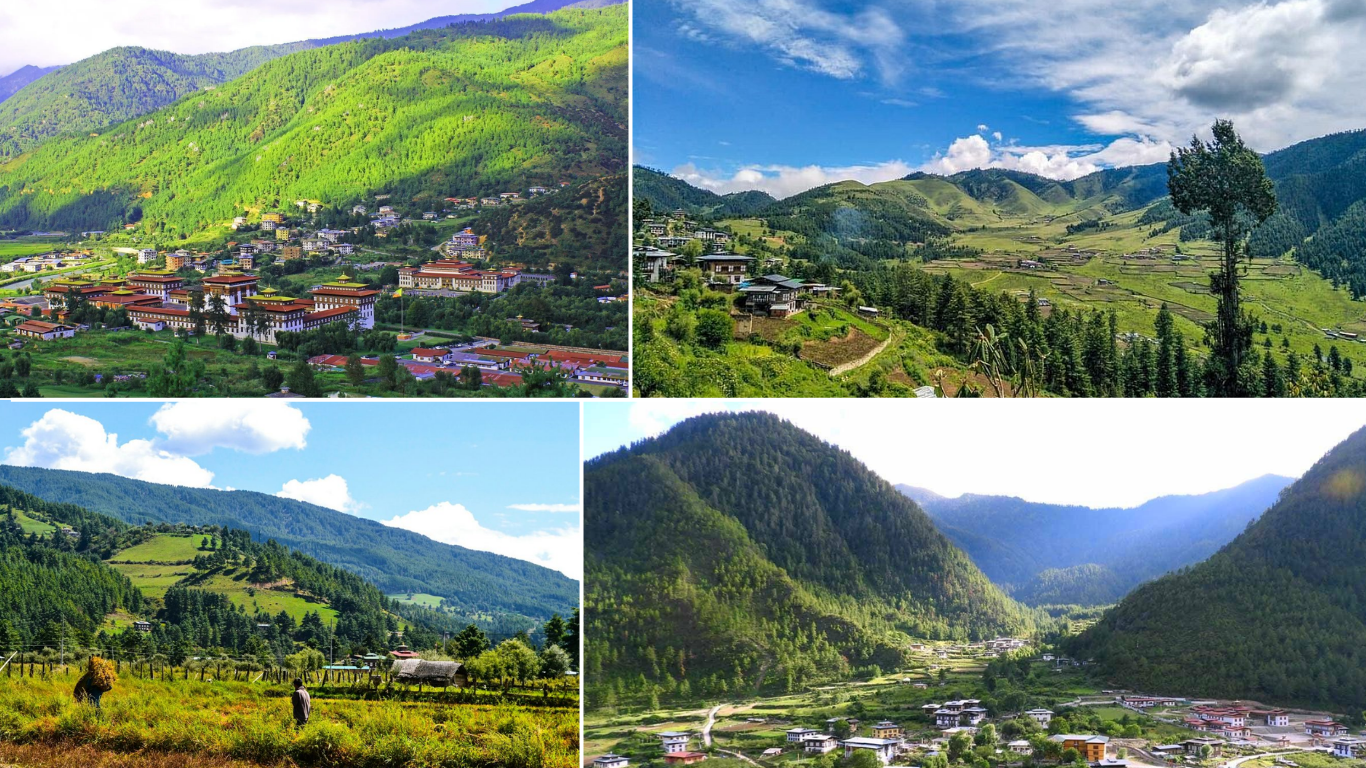
The valleys of Phobjikha and Gangtey Valley are considered to
be one of the most beautiful and ecologically important areas of Bhutan,
situated in Wangdue Phodrang District in central Bhutan. It is surrounded by
gently rolling hills, thick forests, and extensive grasslands. The glacial
valley lies at a height of about 3,000 meters above sea level. It is popularly
famous for the rare black-necked cranes, which migrate from Tibet every year.
"Gangtey" is derived from Gangtey Goenpa, an ancient
Nyingmapa Buddhist monastery that has existed since the early 17th century.
Phobjikha is the name for the U-shaped valley that is surrounded by the
monastery and villages. Both of these sites have served as an integral part of
Bhutan’s history in terms of religion and culture.
Phobjikha and Gangtey Valley stand as a testament to Bhutan’s
philosophy of environmental preservation, sustainable tourism, and spiritual
well-being. This region has managed to retain its natural beauty as there have
been no developments here, thus making it easier for tourists to appreciate
Bhutan’s pristine environment at its best. In addition to being home to diverse
flora and fauna, it also houses ancient villages, trekking routes, and
monasteries, symbolizing Bhutan’s close relationship with nature and Buddhism.
National Museum of Bhutan
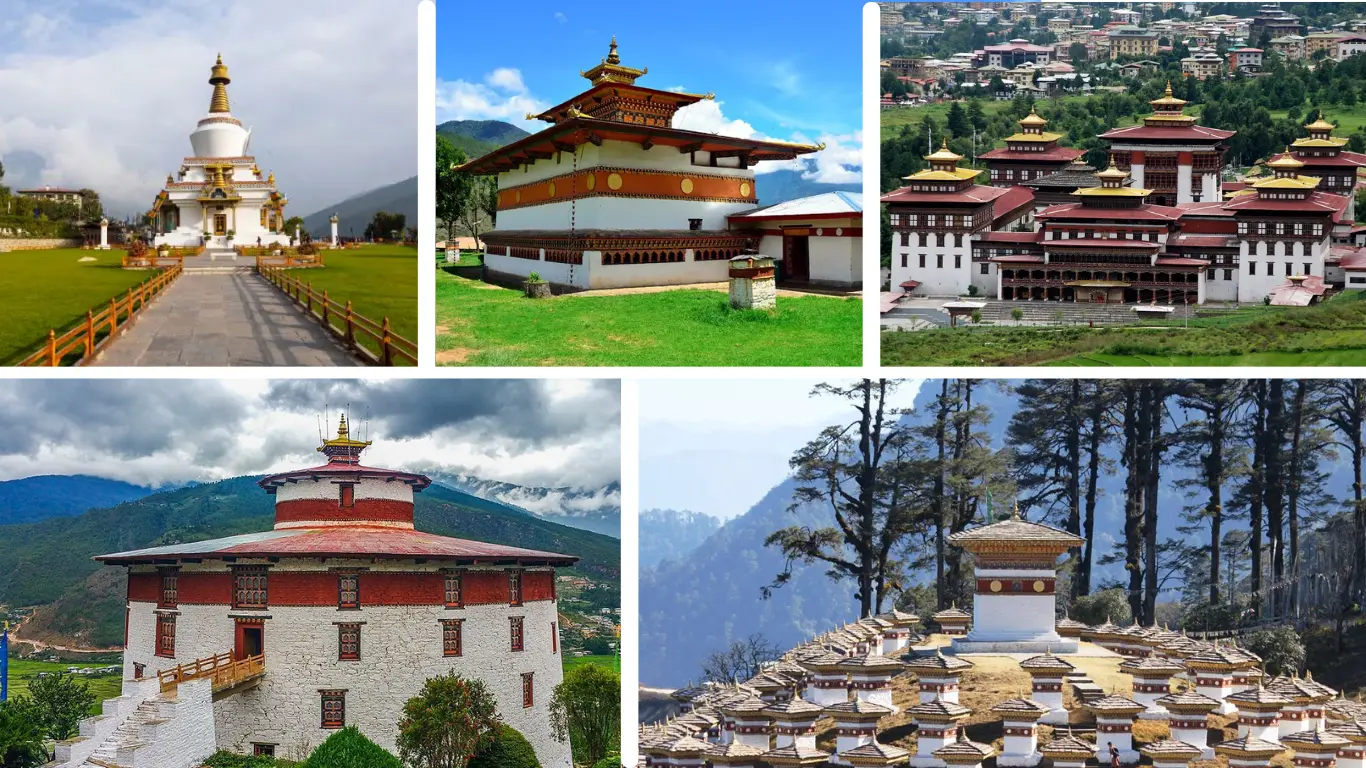
The National Museum of Bhutan is one of the most significant
cultural sites of the nation. It is situated at the top of Paro Dzong in the
town of Paro, which is in the western part of Bhutan. The museum is placed
inside Ta Dzong, which is a round-shaped watchtower that was first constructed
in 1649 in order to protect the neighboring fortress of Paro.
"Ta Dzong" means "Watchtower Fortress,"
highlighting the fact that the building was initially used as a fortress. The construction
was turned into a museum in 1968 by the third King of Bhutan, Jigme Dorji
Wangchuck, and has since been a place where cultural artifacts of the country
are preserved and exhibited.
The National Museum of Bhutan signifies the country's vast historical,
artistic, and spiritual heritage. The museum has exhibits like religious
objects of antiquity, textiles, weaponry, paintings, stamps, household
articles, and historical documents, which give an idea about Bhutan through
various ages. One can see the centuries-old evolution of Bhutan through its
tradition and modern history in this place. Now, the museum is playing a
crucial role in the preservation of the culture of the country while providing
valuable knowledge to tourists.
Tashichho Dzong
The Tashichho Dzong is an important landmark in Bhutan because
it is one of the major architectural and administrative buildings found in the
northern part of Thimphu, the capital of Bhutan. The building is strategically
located near the Wang Chhu River and is an imposing fortress-monastery that
acts as the headquarters of the Bhutanese government and the summer palace of
the country’s central monastic body.
The meaning of “Tashichho Dzong” is “the fortress of the
glorious religion.” The establishment’s history can be traced back to the 13th
century, although the current building has had various renovations throughout
the years. During the 1960s, the third king of Bhutan, Jigme Dorji Wangchuck,
undertook renovations of the Dzong in the process of modernizing the nation,
keeping the traditional architecture of the Dzong.
The Tashichho Dzong is a representation of the special link
between religion and governance in Bhutan. The Tashichho Dzong houses serve as
offices for the King, government ministries, and significant religious
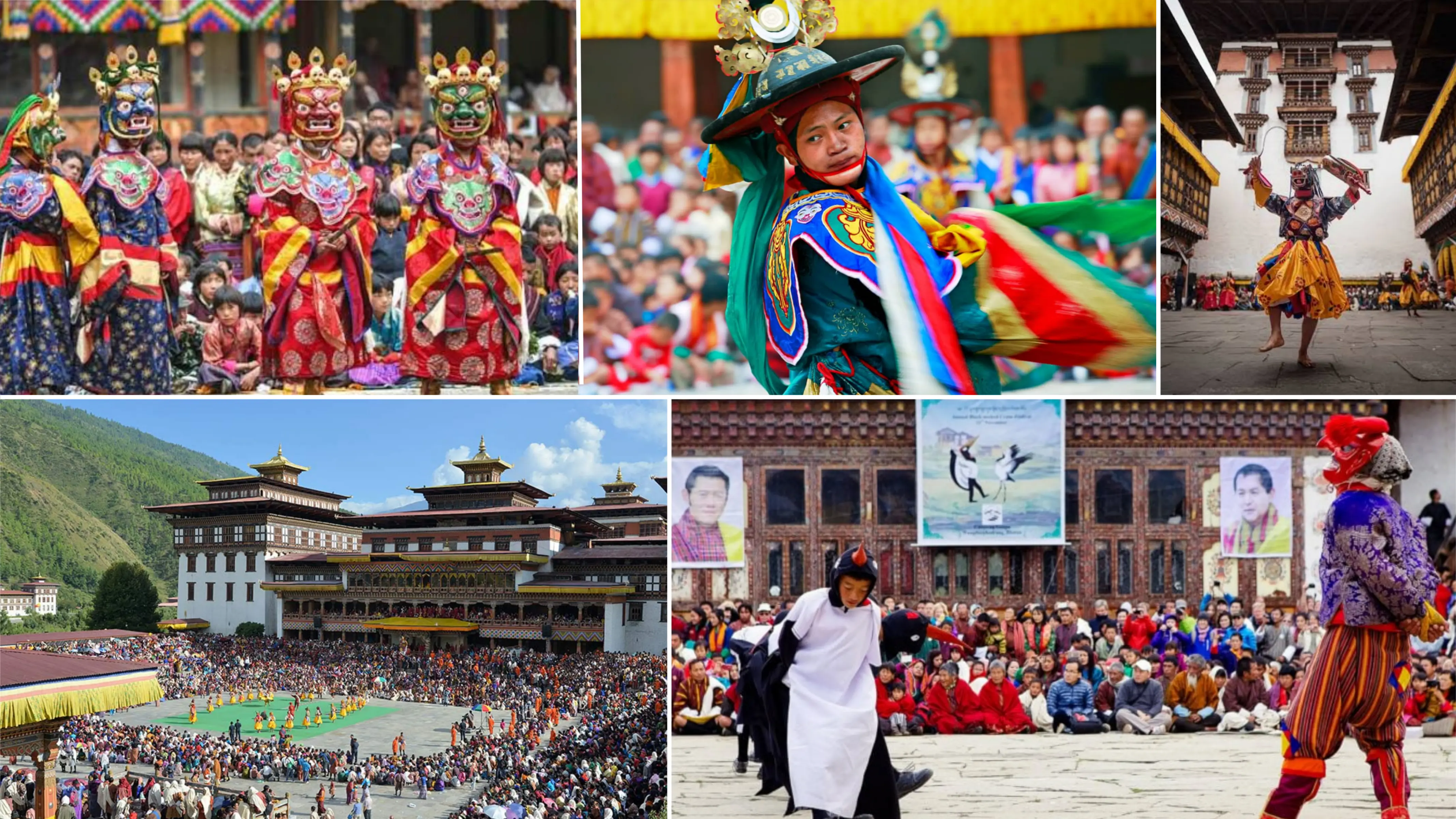
organizations. Furthermore, the dzong is where major religious festivals and
other cultural activities take place. For instance, the prestigious festival of
Thimphu Tshechu takes place in the dzong. It is one of the strongest symbols of
Bhutan’s identity today.
Chimi Lhakhang
Chimi Lhakhang is one of the most unique and famous temples in
Bhutan. It is situated on a hillock in the valley of Punakha, close to the
village of Lobesa in the western part of the country. The temple is surrounded
by fields of rice and the traditional villages of Bhutan, and can be accessed
through a short walk through the countryside.
This temple was built in 1499 AD by a disciple of the great
Buddhist teacher Drukpa Kunley named Ngawang Choegyel. The term "divine
madman" was used to describe Drukpa Kunley, who was famous for using his
unique ways of teaching people about Buddhism through songs. It is believed
that at this place he subdued the demoness and turned this spot into a
religious one; the temple was erected here and called "the Temple of
Fertility."
Chimi Lhakhang is a symbol of blessings, fertility,
protection, and spirituality. There are many couples from Bhutan, as well as
tourists, who go to the temple to get blessings regarding their marriages,
childbirth, and well-being. The place is also indicative of Bhutan’s spiritual
heritage, along with the rich legacy of Drukpa Kunley. Chimi Lhakhang has thus
become a popular place for pilgrims.
National Memorial Chorten
National Memorial Chorten is one of the holiest religious
sites in Bhutan, situated at the center of Thimphu, which is the capital city
of Bhutan. This structure, which has been constructed on a busy street, is
bordered by gardens and places where prayers are conducted. The site acts as a
place of worship where people go regularly to conduct prayers, meditations, and
walk around the structure with prayer wheels.
The National Memorial Chorten was constructed in 1974 by the
Royal Grandmother Ashi Phuntsho Choden Wangchuck in memory of Bhutan’s third
King, Jigme Dorji Wangchuck, who is considered the father of modern-day Bhutan.
Despite its being called a chorten or stupa, it was actually erected as a
memorial for world peace, happiness, and welfare rather than as a mausoleum.
The white structure and gold finial, along with the Buddhist artistry
incorporated in it, symbolize Bhutanese architecture.
The National Memorial Chorten is associated with peace,
compassion, and the lasting legacy of the much-loved third King of Bhutan.
Inside the chorten, one will come across elaborate murals and other forms of
religious art, depicting Buddhist principles and practice. Even today, the
chorten continues to be a significant spiritual site where both locals and
tourists can experience the rich Buddhist culture of Bhutan.
Final Thoughts on Your Upcoming Bhutan Trip
Visiting Bhutan is not just another tourist experience, but a
chance to explore a country that values its traditions and culture, along with
natural beauty. Places like the Tiger’s Nest Monastery and forts of Punakha
offer a unique insight into the country’s culture and heritage. From scenic
spots to adventure destinations and even spiritual experiences, everything can
be found in the list of the top 8 destinations for those planning their first
visit to the beautiful Bhutan.
As you start planning for your trip to Bhutan, it would be
wise to give yourself enough time to visit all the places in Bhutan. What makes
Bhutan appealing is not just the popular sites, but also the serenity, warm
hospitality, and unique experiences one gets from traveling there. First-time
visitors have the opportunity to see all these attractions and more by visiting
some of these selected destinations. Regardless of what time of year you visit,
Bhutan is bound to leave you with unforgettable experiences.


Commentaires
post comment