


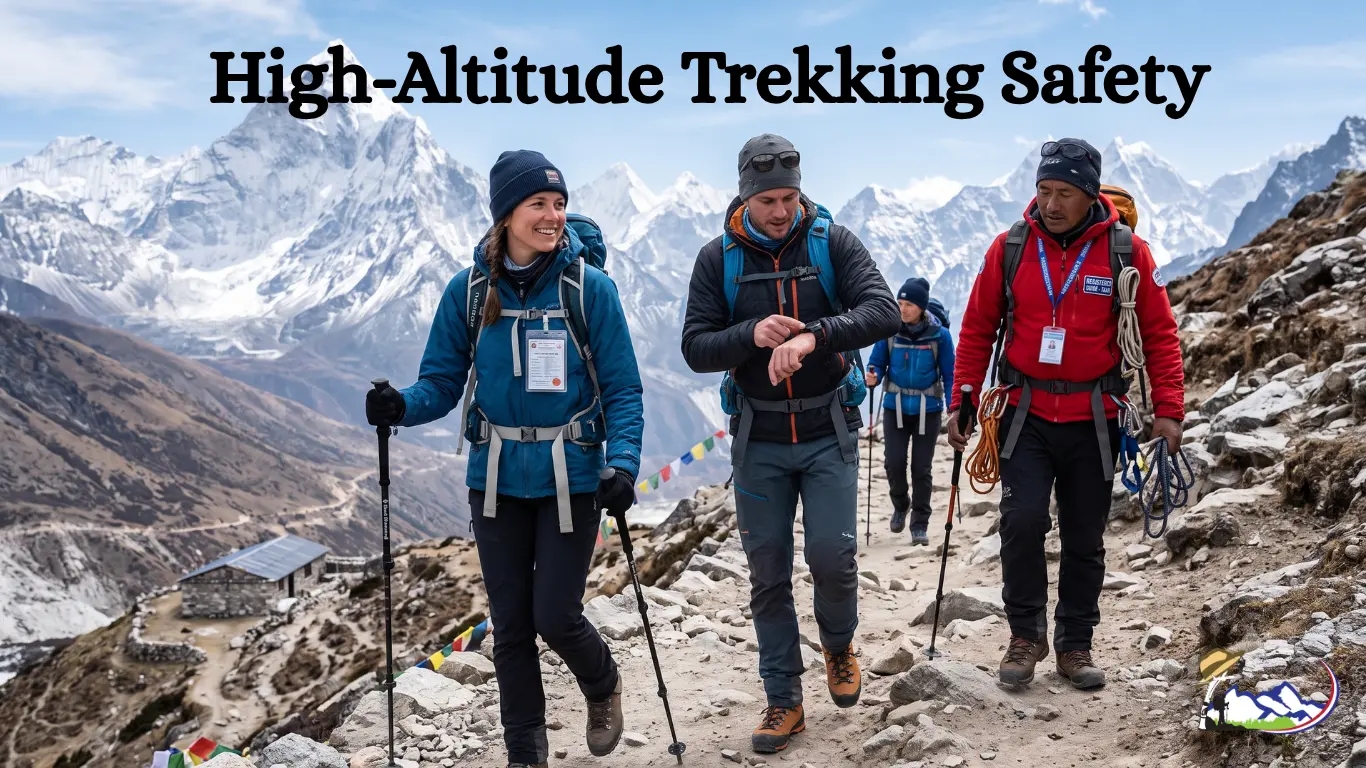
What Is High-Altitude Trekking and Why Safety Matters
High-altitude trekking is an adventure that takes place in
hilly terrain, especially at altitudes above 2,500 meters (8,200 feet). This
form of trekking differs from normal hiking because it takes place at high
altitudes, where the body is exposed to reduced oxygen levels, cold
temperatures, and adverse weather conditions. Examples of treks include the
Everest Base Camp, Annapurna Circuit, and Manaslu Circuit, which occur in
Nepal.
Although such expeditions provide visitors with amazing views
of mountains and fascinating experiences of visiting distant places, it is
necessary to properly plan and prepare for them. With an increase in height,
the level of oxygen in the body becomes reduced; therefore, any physical
activity such as walking or climbing the stairs becomes difficult. Altitude
sickness, which can lead to very serious consequences, might occur without the
appropriate preparation.
It should never be considered as something extra to do a
trekking expedition. Knowing the potential dangers, obeying local laws and
preparing yourself physically and psychologically will greatly increase your
chances of having a more enjoyable experience. This involves securing all the
necessary permits, trekking under the guidance of experienced guides where
necessary, bringing the proper gear, staying hydrated, and identifying the
first signs of altitude sickness.
Whether you're planning your first Himalayan adventure or
returning for another challenging trek, putting safety first allows you to
enjoy the journey with greater confidence. A well-prepared trekker is not only
more likely to reach their destination but is also far better equipped to
handle the unexpected challenges that high-altitude environments can present.
TIMS Card Requirements for High-Altitude Treks
The Trekkers’ Information Management System (TIMS) card is a
very significant document that aims to enhance the safety of trekkers in Nepal.
The document assists the government in managing the trekkers who travel across
the country’s mountains. The document allows for easy tracking of the trekkers,
making it easier to organize rescue operations in case of an emergency.
With the new trekking policies, there has been a change in the
process of obtaining the TIMS card. Solo trekking is not allowed in many of the
trekking zones under the management of the Nepal Tourism Board and the Trekking
Agencies' Association of Nepal (TAAN). This is because most of the trekkers
will have to obtain a TIMS card through an authorized trekking agency while
trekking with a guide. This is meant to enhance the safety of trekkers as well
as help locate lost hikers.
One must keep in mind that there may be some additional
trekking permits like national parks and conservation areas, that might be
needed along with the TIMS card depending upon the selected route for the trek.
This will help one avoid any problems while crossing the checkpoints, and
failure to obtain permits can even lead to rejection of entry.
Before heading out, be sure to check what the latest permit
requirements are from concerned authorities, as regulations are bound to change
from time to time. Not only does having the necessary permits and a guide meet
all the legal requirements, but it will also make your trekking adventure more
enjoyable and safe.
Mandatory Guide Policy in Nepal: What Trekkers Need to Know
A policy was introduced by Nepal requiring a guide on all
treks in the majority of trekking destinations in order to ensure visitors'
safety and emergency preparedness in the mountainous areas. According to the
existing rules, most of the foreigners wishing to go trekking should arrange
their trek via one of the registered trekking companies and have a
government-registered guide accompanying them. This policy is especially
relevant in case of treks at high altitude.
The guide mandate is meant to lessen the incidences of missing
trekkers as well as ensure that they get professional help during the whole
process of trekking. Guides are professionals in navigation through mountain
routes, watch for any sign of altitude sickness among the trekkers, coordinate
with the local authorities if need be, and organize emergency help whenever
there are any challenges. They also enlighten the tourists on various aspects
regarding the local culture and nature.
The mandatory guide policy is applicable to many trekking
locations; however, in some areas, there are exemptions, since the trekking
permit is managed by individual systems. As the rules for trekking change from
time to time, it is advisable to check the current rules before undertaking the
adventure. A trekking agency that is licensed will be able to advise you on the
permits, guides, and documents needed for the specific route you want to take.
Adherence to the mandatory guide policy in Nepal is not just about following
the law. This practice ensures safety and gives peace of mind in the remote
regions of the mountains.
Preventing Altitude Sickness During Your Trek
Altitude sickness is among the most common obstacles
encountered by mountaineering enthusiasts on high mountains, particularly above
2,500 meters (8,200 feet). Altitude sickness happens when your body cannot cope
with a lower oxygen supply at high altitudes. Despite being a condition that
affects any person irrespective of age and physical state, there is much
comfort in the fact that altitude sickness can be prevented using the right
precautions. Slowly acclimatizing, drinking plenty of water, and learning how
to recognize signs of altitude sickness will go a long way in protecting you
from the danger.
·
Ascend gradually and avoid rapid elevation gain.
Once you are above 3,000 meters (9,800 feet), increase your sleeping altitude
by no more than 300–500 meters (1,000–1,600 feet) per day whenever possible.
·
Take regular acclimatization days to allow your
body to adjust to lower oxygen levels. A rest day every few days at higher
elevations significantly lowers the risk of altitude sickness.
·
Stay well-hydrated by drinking 3-4 liters of
water daily. Proper hydration helps your body function efficiently and can
reduce the seriousness of altitude-related symptoms.
·
Learn to recognise the early signs of altitude
sickness, including headaches, dizziness, nausea, unusual fatigue, and loss of
appetite. Early recognition allows you to act before symptoms become severe.
·
Never continue ascending if your symptoms
worsen. The safest response is to stop, rest, and descend immediately if
symptoms do not improve or become more serious.
·
Trek with a licensed guide who understands
high-altitude safety. Experienced guides can identify altitude sickness early,
recommend proper acclimatisation, and arrange emergency evacuation if
necessary.
Essential Safety Tips for Trekking Above 3,000 Meters
Trekking above 3,000 meters (9,800 feet) is certainly
thrilling, although it poses many difficulties. With increasing altitude, there
is a decreasing amount of oxygen, which means that walking is much harder at
higher altitudes. Moreover, weather can be unpredictable, trails are harsh, and
medical help is usually hard to get in mountainous areas. When you are going on
a trekking expedition to Nepal or somewhere else with high altitudes,
practising some essential safety precautions will help you avoid any trouble
and ensure your trip becomes even more fun!
·
Plan your itinerary with gradual altitude gain
and include acclimatisation days to help your body adjust naturally.
·
Start each trekking day early to avoid afternoon
weather changes, which often bring stronger winds, rain, or snow in mountainous
areas.
·
Carry enough drinking water and purify water
from local sources using filters, purification tablets, or UV purifiers to
prevent dehydration and waterborne illnesses.
·
Dress in layers so you can easily adapt to
changing temperatures. Include moisture-wicking base layers, insulating
mid-layers, and a waterproof outer shell.
·
Pack essential safety gear, including a
first-aid kit, headlamp, trekking poles, sunscreen, sunglasses, a whistle, and
an emergency blanket.
·
Check weather forecasts regularly and avoid
trekking during severe weather or poor visibility whenever possible.
·
Listen to your body and don't ignore symptoms
such as headaches, dizziness, nausea, or unusual fatigue, as these may indicate
altitude sickness.
·
Inform your guide, trekking companions, or lodge
owner immediately if you begin feeling unwell instead of trying to push through
the discomfort.
·
Keep emergency contact numbers, travel insurance
details, and copies of your permits easily accessible throughout your trek.
·
Always follow your guide's instructions and stay
on marked trails to reduce the risk of getting lost or encountering dangerous
terrain.
What to Do in an Altitude Emergency
Altitude emergencies usually manifest swiftly and should never
be downplayed. Conditions like AMS, HAPE, and HACE could turn fatal when left
untreated. Prevention of such complications lies in being aware of the
indicators at the very outset to take quick action. Neglecting the warning
signs or attempting to scale higher up can rapidly worsen the condition.
Regardless of whether one is trekking under a guide or on his/her own in a
place where it is allowed, knowledge of what to do in a case of an altitude
emergency could prove invaluable in saving oneself or other trekkers.
·
Stop ascending immediately at the first signs of
altitude sickness. Symptoms such as a persistent headache, nausea, dizziness,
unusual fatigue, or difficulty sleeping should never be ignored. Rest at your
current altitude and monitor whether your condition improves.
·
Descend as soon as symptoms worsen or fail to
improve with rest. Descending 500-1,000 meters (1,600- 3,300 feet) is the most
effective treatment for serious altitude illness and should never be delayed if
symptoms become severe.
·
Seek medical assistance and inform your guide or
trekking companions immediately. If you're trekking with a licensed guide,
follow their instructions, as they are trained to assess altitude-related
illnesses and coordinate emergency evacuations when necessary.
·
If you have oxygen or emergency medicine and
know how to use them, give them to the person. Oxygen and medicines like
acetazolamide or dexamethasone can help in some cases, but they are not a
substitute for going to a lower altitude as soon as possible.
·
Watch for signs of HAPE or HACE, including
severe shortness of breath while resting, confusion, loss of coordination,
chest tightness, or difficulty walking. These symptoms require immediate
descent and urgent medical care.
·
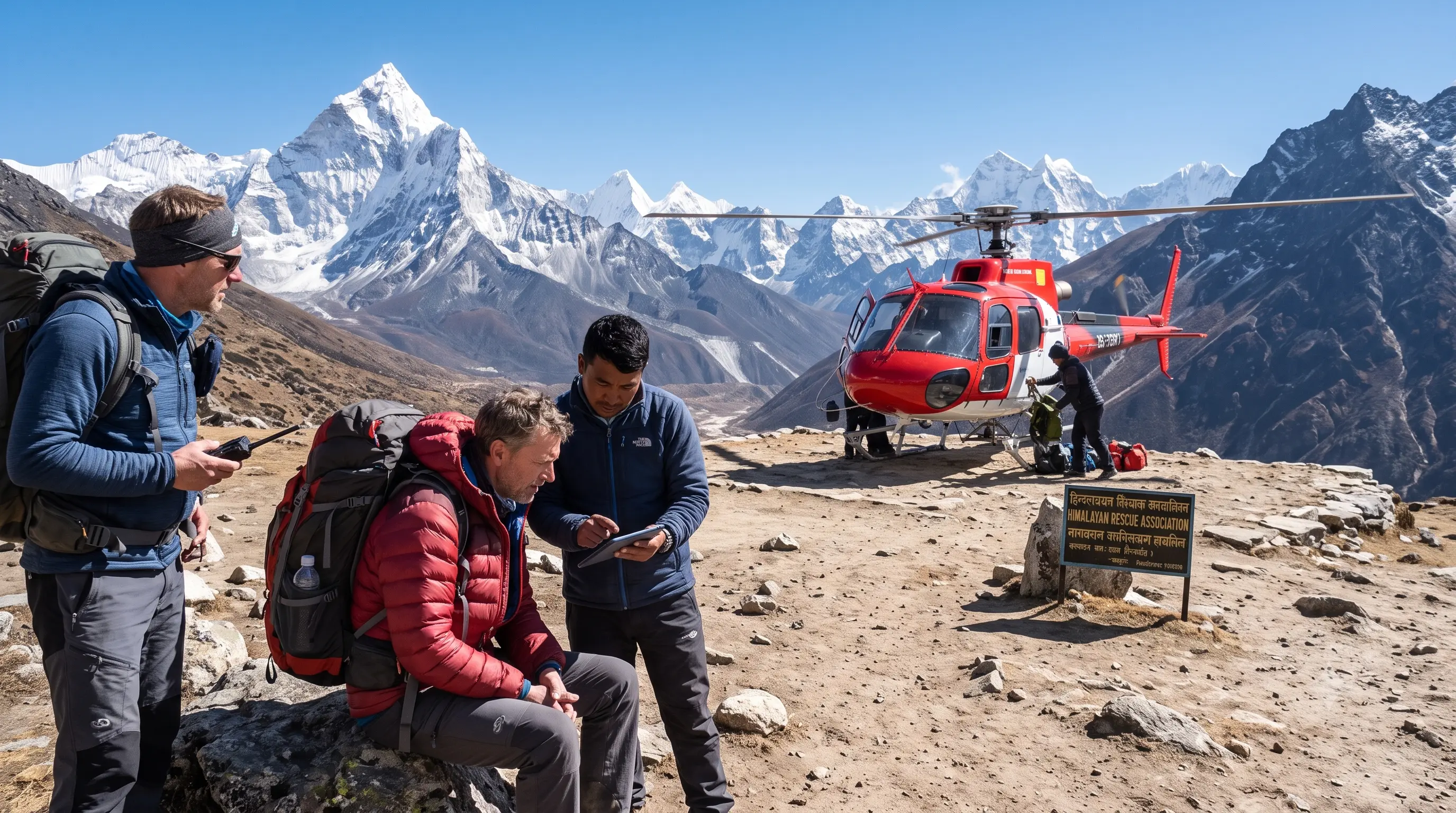
Activate emergency rescue services if the
affected person cannot descend safely. Use satellite communication devices,
emergency contact numbers, or local rescue services to arrange evacuation, and
keep the person warm, hydrated, and under constant supervision until help
arrives.
Final Thoughts: Plan Smart, Trek Safe, and Respect the
Mountains
Trekking at high altitudes is among the most rewarding outdoor
activities that offer stunning scenery, amazing cultures, and great
achievements. Nevertheless, the process of getting to such places is not an
easy task, since it calls for a lot more than just being physically fit. It is
very important to be prepared, have enough knowledge about the current trekking
regulations, obtain the needed permits, and have the right guides when trekking
at higher altitudes.
Regardless of your experience, the mountain is never an entity
that should be underestimated. The weather may suddenly turn against you,
trails may become hard to navigate, and altitude sickness is possible at any
time, whether young or old and no matter how fit or unfit you are. Learning to
listen to your body, having the correct gear, sticking to a gradual ascension,
and above all, prioritizing safety, will go a long way toward minimizing
unnecessary risks.
It is important to remember that respect towards mountains
includes respect towards the people who live in those areas. Adherence to the
Leave No Trace principles that will contribute to preserving these wonderful
places for our posterity. Being a responsible hiker, you will be protecting
yourself as well as contributing to the health of the community that makes your
adventure possible. With a proper state of mind, preparation and wise
decisions, your mountainous trekking will become a wonderful adventure of a
lifetime.

Commentaires
post comment