


What Is the Tiji Festival? History and Cultural
Significance
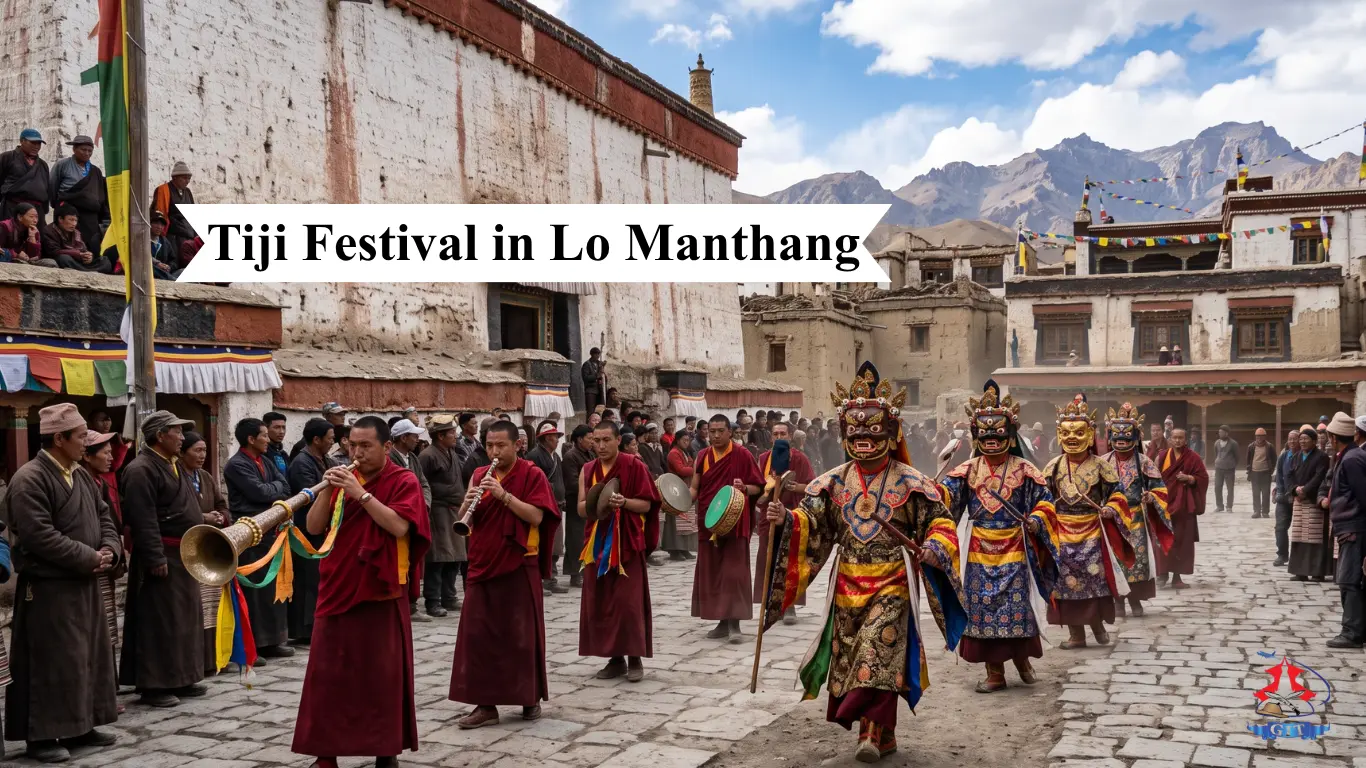
The Tiji Festival is one of the most interesting festivals
held every year in Nepal. Located in the ancient fortress city of Lo Manthang
in Upper Mustang, this festival is much more than just an interesting event. It
is a religious Buddhist holiday which is a representation of the victory of
good, wisdom, and righteousness over evil. Celebrated every year for three
days, this festival is an amazing chance for locals and tourists alike to see
age-old traditions that still survive in the kingdom of the Himalayas.
"Tiji" comes from the Tibetan term "Tempa
Chirim," which means "Prayer for World Peace." It is all about
the mythical tale of Dorje Jono, a god who, as the legend goes, killed the
demon that had caused drought, misery, and difficulty in the area. As per the
legend, Dorje Jono was able to restore balance to nature by defeating the
malevolent force. The legend is an ancient one that is celebrated in the form
of ritual dances by Buddhist monks each year.
Apart from its origin, the Tiji Festival is of great
importance in the lives of the people of Upper Mustang. The festival brings
people closer together, helps in preserving Tibetan Buddhist customs and
traditions, and represents the distinct heritage of the place, which has hardly
changed through centuries. People come to celebrate and pray for success and
prosperity as well as follow their spiritual beliefs, while tourists learn more
about the living heritage of Lo Manthang.
Tiji Festival Dates and the Best Time to Visit Lo Manthang
The Tiji Festival is held annually in Lo Manthang, which is
the former capital of Upper Mustang. As the festival is based on the Tibetan
lunar calendar, the dates vary each year and usually lie within the months of
May and early June. It is celebrated for three consecutive days during which
the different episodes of the religious myth of Dorje Jono are depicted through
the ritual dance and ceremony performed by the local people. It is important to
note the exact dates of the festival before visiting it, as they are highly
sought after during that time.
The ideal time to tour Lo Manthang would be during the period
of the Tiji festival when the weather is dry, sunny, and the temperature is
pleasant for trekking. Unlike other regions of Nepal, Upper Mustang is located
in the Himalayan rain shadow region, which means that this part of the country
is one of the few locations in Nepal that can be visited even during the
pre-monsoon and early monsoon seasons.
In order to fully enjoy your stay during the festival, it is
advised to reach Lo Manthang one or two days prior to the start of the
festival. This will help you get used to the climate and will give you enough
time to get accustomed to the ancient monasteries and the narrow streets of Lo
Manthang. It would be very useful to book your hotel, transport, and other
permits well in advance because many people from all over the world attend the
festival every year.
How to Reach Lo Manthang for the Tiji Festival
Getting to Lo Manthang for the Tiji festival in itself is an
exciting trip. The ancient walled city of Lo Manthang is located in Upper
Mustang, which is a part of Nepal. The city can be reached via flights, road,
and trekking/jeeping. Though the trip needs meticulous planning, one can enjoy
the scenic beauty of the Himalayas, some villages influenced by Tibetan
culture, and one of the most exotic cultural trips in Nepal. Since Upper
Mustang is a restricted area, foreign tourists need special permission and are
supposed to travel in a guide’s company. The choice of the travel route will
depend on your budget and preference.
·
Flight to Jomsom + Jeep to Lo Manthang
This is the quickest and most popular route for those who
prefer to have the least amount of walking on their way to the festival. You
start by flying from Kathmandu to Pokhara and then take an early morning flight
to Jomsom. You then hire either a shared or personal jeep, which will lead you
from Jomsom to Kagbeni, Ghami, Tsarang, and various villages of Mustang before
finally arriving in Lo Manthang. It will take around one to two days to reach
there via jeep, according to the road conditions.
·
Upper Mustang Trek
Trekking to Lo Manthang is an excellent way for travelers to
immerse themselves in the unique cultural and geographical features of Upper
Mustang in their own time. The traditional trek commences in Kagbeni and
normally takes between 10 and 14 days, covering villages, old monasteries,
caves, and beautiful rock formations on your journey to Lo Manthang. This will
provide you with opportunities to meet the locals and get used to the high
altitude. This trek can be done if you are passionate about walking and want to
celebrate the Tiji Festival along with it.
·
Overland Jeep Tour
If you are short on time, you can obtain an all-inclusive overland
jeep tour. Tour routes generally start at Pokhara, but there are exceptions,
whereby the route begins from Kathmandu and goes further to Jomsom before
proceeding up to Lo Manthang. The journey takes between two and three days one
way, based on the nature of the roads as well as the number of destinations to
be visited along the way. Although the roads may be dusty and bumpy, this is
the best mode of travel that does not require strenuous trekking.
·
Required Permits and Guide
All foreigners visiting Upper Mustang require the issuance of
a Restricted Area Permit (RAP) and an Annapurna Conservation Area Permit
(ACAP). The Nepalese government mandates that all travelers visit Nepal in the
company of a licensed guide via a registered trekking agent, since traveling
independently in this restricted region is prohibited. As a result of the fact
that all the permits, means of transport, guides, and hotels are all fully
booked during the time of the Tiji Festival, it is best to plan your trip
several months before.
Three Days of Tiji Festival: Rituals, Dances, and What
Happens Each Day
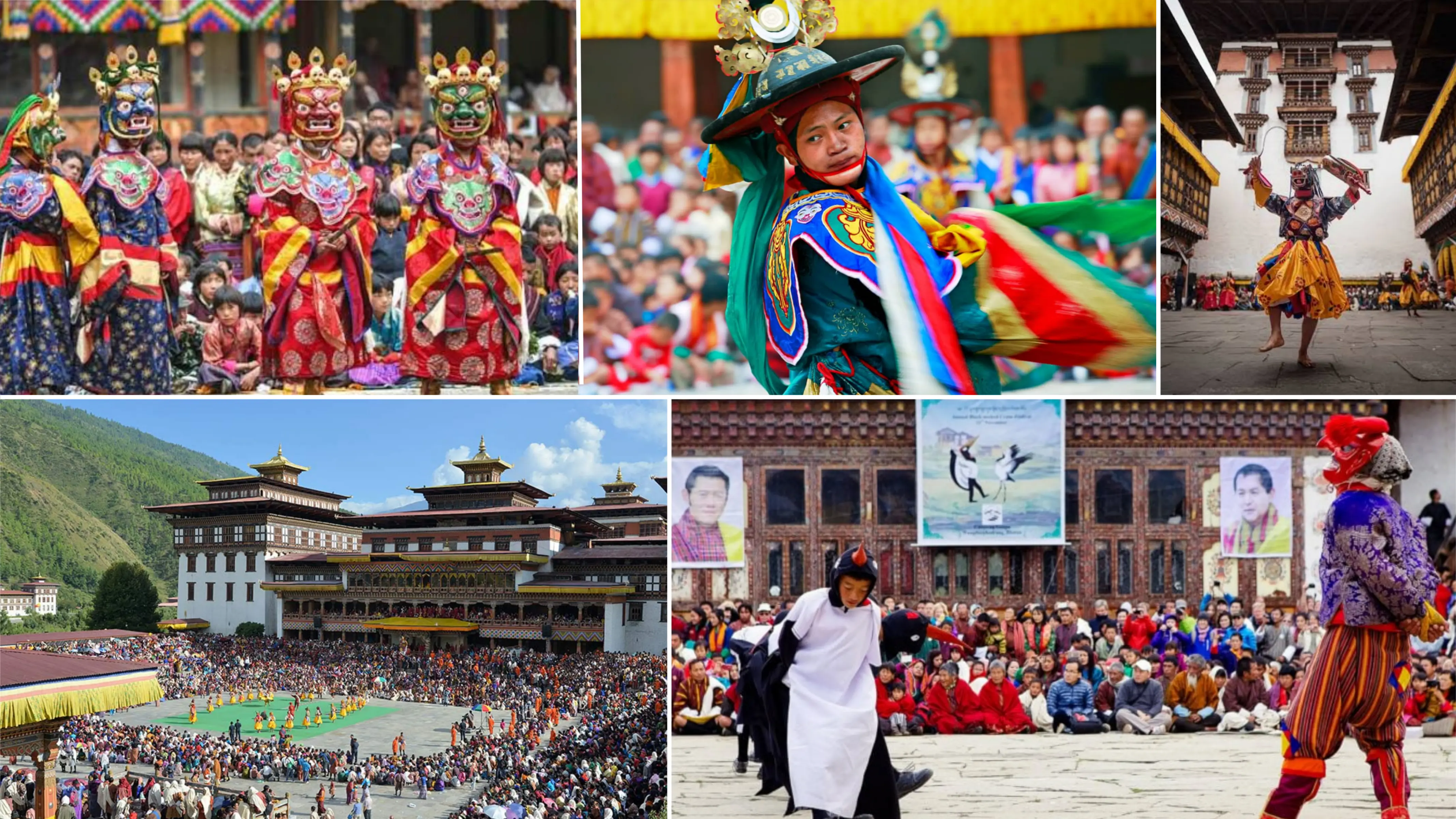
Tiji Festival is a three-day-long event where each day marks a
different episode in the spiritual story of Dorje Jono. This annual event takes
place in the courtyard of the royal palace of Lo Manthang, where monks, locals,
and visitors gather to enjoy the masked dance, rituals, and customs. Each dance
has some kind of spiritual significance, indicating the fight between good and
evil forces and the restoration of balance in the world. Learning about the
activities of each day allows visitors to understand that these dances are not
only cultural but have spiritual significance as well.
·
Day 1: The Beginning of the Sacred Story
Day one begins with the story of Dorje Jono and prepares the
ground for the spiritual experience that unfolds. The monks from the Chhoede
Monastery appear wearing their colorful attire and masks and perform the Cham
dance along with long horns, cymbals, and drums. These religious acts narrate
the coming of Dorje Jono, ready to challenge the demon that causes drought,
misery, and hardships in the region. As the day progresses, the locals come to
pray and get blessed while the tourists observe the opening ceremony that
officially begins the festival.
·
Day 2: The Battle Between Good and Evil
Day two involves the drama of Dorje Jono fighting with the
evil forces that have invaded the kingdom. Using symbolism in the form of
masked dances, monks depict this fight spiritually through their actions,
symbolizing wisdom, courage, and compassion triumphing over negative forces.
Religious chants are repeated all day long at the ceremonies, resulting in the
creation of a very spiritual environment in the courtyard of the palace. This
day is believed to be the most beautiful day of the festival because of the
energy involved in the performances.
·
Day 3: Victory, Blessings, and Renewal
The last day marks victory over the demon as well as the
restoration of peace, prosperity, and harmony. Dancing and rituals,
representing purification and the beginning of something new, mark the end of
the ceremonies. Monks conduct blessing ceremonies, and locals pray for their
future well-being and protection in the upcoming year. The end of the festival
represents the cleansing from all the bad, as the victory of righteousness over
the evil forces. This way, the final day of the festival is marked in the
memories of the locals and tourists in Lo Manthang.
Essential Travel Tips for Attending the Tiji Festival
Going to the Tiji Festival is indeed a unique opportunity that
you would only get once in your lifetime, but this is not without proper
planning because of the remoteness of the place where the festival takes place
and the travel policies in the area. Taking a little bit extra effort in preparation
for your trip will be beneficial in making it easier and more fun. As there are
visitors from all over the world who participate in the annual Tiji festival,
transport and accommodation arrangements have to be made well in advance.
·
The Tiji Festival marks the peak season for
tourism in Upper Mustang. Bookings for flights to Jomsom, jeeps, guides, and
hotel rooms are a good idea as they are usually sold out months before the
festival season starts. This way, you are guaranteed to have good accommodation
and avoid hiking prices on short notice.
·
Both the Restricted Area Permit (RAP) and
Annapurna Conservation Area Permit (ACAP) are required for foreign tourists who
wish to visit Upper Mustang. You should get them from a registered trekking
agency, as private tours are not allowed in the restricted area.
·
It is required to hire a licensed guide for
Upper Mustang visits. Not only do the permits demand this, but the guide will
also provide you with valuable information about the festival itself and Upper
Mustang.
·
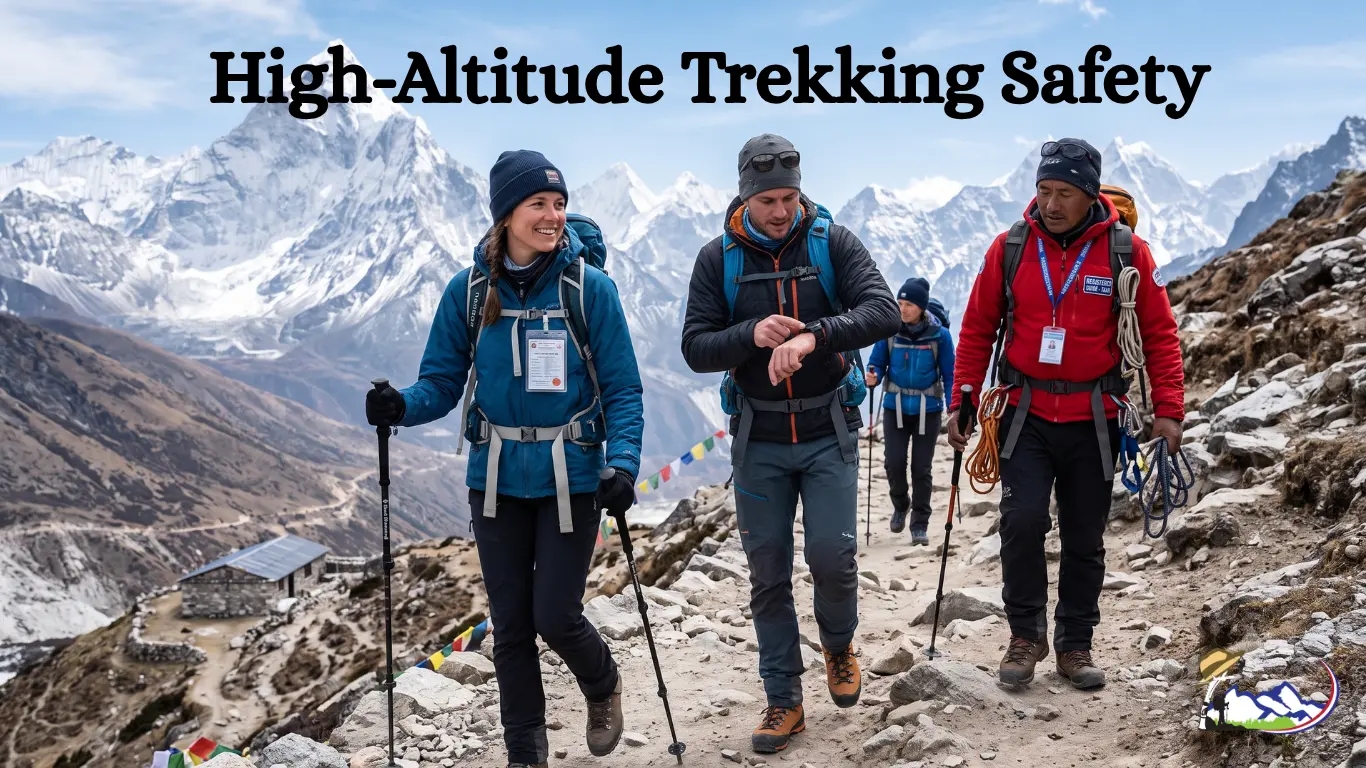
The altitude of Lo Manthang, where the festival
takes place, is around 3,840 meters (12,600 feet). Try to spend one day
acclimatizing, drink plenty of water, do not exert yourself too much on the
first day, and be aware of altitude sickness symptoms.
·
Although the festival takes place in one of the
best times for traveling, there are great differences in temperature between
daytime and nighttime. Pack clothes in layers, a warm coat, comfortable shoes,
sunscreen, sunglasses, and a hat in order to feel comfortable all through your
journey.
·
The Tiji Festival is not just a show for
tourists, but a sacred event for local Buddhists. It means that you should
behave in a proper way, dress appropriately, not make noise during prayers, not
enter forbidden places, and follow the instructions of the monks.
·
As ATMs are not fully functional in Lo Manthang,
cashless transactions cannot be used too widely here. You will need to bring
enough money in Nepalese currency in order to pay for food, accommodation,
treats, tips, and souvenirs.
·
Your flights to Jomsom or traveling in the
Himalayas may depend on the weather situation. Planning one or two additional
days in your program will help you to avoid problems caused by possible delays.
Photography Tips for Capturing the Tiji Festival
Respectfully
Tiji Festival makes for a great photography venue due to the
beautiful costumes, sacred mask dances, age-old structures, and the stunning
scenery of Upper Mustang. It should be noted, though, that the festival should
always be viewed in the context of a religious celebration rather than just an
event organized for tourists. To take good photos, it is necessary to find a
balance between one’s desire to create something artistic and the need to treat
the local traditions and people attending the festivals with utmost respect.
·
Even though most of the local population is
usually quite friendly to outsiders, it is always recommended to get permission
from individuals before you shoot close-up pictures. It will not take much
effort to make them feel respected through a simple smile or a gesture. This
little detail will help to have genuine interaction, and your pictures will be
shot with the consent of the people being photographed.
·
When you are visiting prayer ceremonies, ritual
dances and masked dances, do not enter the performance area and do not obstruct
other people’s view of the scene. We also suggest that you not get in the way
of the performers in order not to distract them from the sacred job they are
doing.
·
Since there is much natural light due to the
sunny weather and colorful costumes of the people during the festival, you may
use natural light while shooting. Flash should not be used when you are in
monasteries and at religious performances.
·
As the ceremonies commence, the courtyard will
be full of spectators, thus making it hard to secure a good shooting spot.
Arriving early enough ensures that you can select a suitable spot from where
you can get a clear view of all the performances. This will give you enough
time to analyze the location and take some photos even before the festival
begins.
·
Having a reliable zoom lens is useful when
taking both panoramic photos and those that involve focusing on small objects
without moving too close to the performers. Be sure to carry spare batteries
and memory cards, since charging points might not be easy to come by in Lo
Manthang. A dust cover is recommended for protecting the camera from the wind.
·
Many of the best photos will be taken outside
the official ceremonies. Take pictures of the decorated streets, the buildings,
the monastery details, families in Lo Manthang, and the scenery surrounding Lo
Manthang.
Where to Stay, What to Pack, and Local Etiquette in Upper
Mustang
Making the right choice in terms of accommodation can make all
the difference for your stay at the Tiji Festival. The Lo Manthang area
provides different types of accommodations, such as family-owned guesthouses,
lodges, and budget hotels offering basic yet friendly places to stay. Rooms get
reserved fast due to high numbers of tourists traveling from all corners of the
world to attend the festival, which means that making an accommodation
reservation several months ahead is highly advisable. Most of the lodges will
also serve you with a homemade meal, hospitality, and chances to meet locals.
It is very important to pack well because there are very few
facilities available in Upper Mustang, and the weather conditions may vary in a
day. It is advisable to wear layered clothes to be comfortable in the daytime
when it is warm, but cool at night. Trekking boots, sunscreen, sunglasses,
water bottles, jackets, gloves, and hats are some necessities that you should
have. You may also consider bringing your personal medicines, a first aid kit,
power banks, extra camera batteries, and money, as ATMs are not available in Lo
Manthang.
Respecting the local culture is one of the most important
aspects of visiting Upper Mustang. Since the Tiji festival is an extremely
sacred festival in Buddhism, tourists must conduct themselves with respect and
must dress appropriately as guided by the monks as well as the locals. It is
crucial to always seek permission before taking photographs of people.
Additionally, you must never touch any of the sacred items unless invited, and
you must take off your shoes if asked while you are in the monastery. We also
suggest that you speak softly and maintain a respectful distance during the
ceremony to aid in preserving the sacredness of the occasion.

Commentaires
post comment