


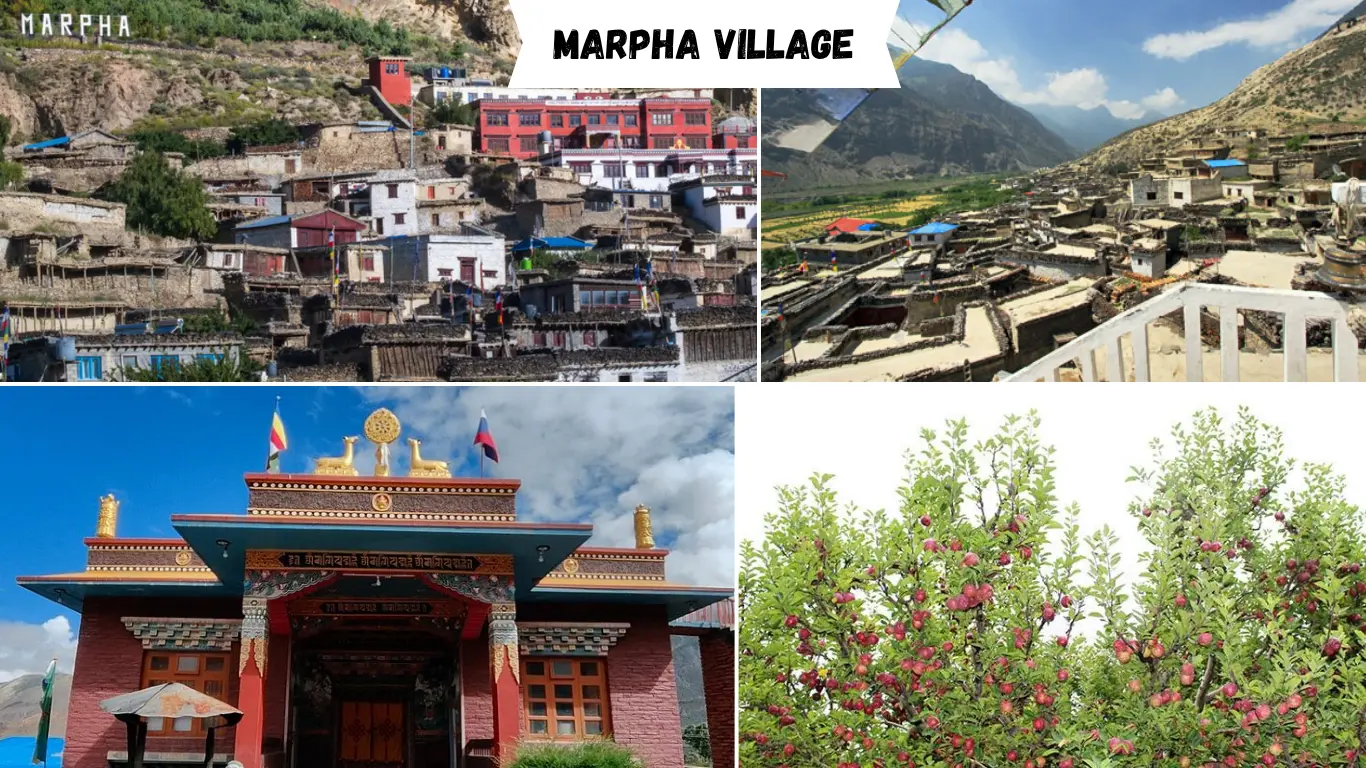
Introduction to Marpha Village: A Hidden Gem in Lower
Mustang
The Village of Marpha is one of the most stunning and
culturally rich villages in the region of Lower Mustang of Nepal. Located near
the riverbanks of the Kali Gandaki River at an altitude of 2,670 meters, this
beautiful village is renowned for its whitewashed stonework buildings, cobbled
alleys, apple orchards, and the hospitable Thakali people. Even though most
tourists only use this place as a transit point in order to get to either
Jomsom or Muktinath, those who decide to spend some time in Marpha soon realize
how lovely this village truly is.
In addition to being picturesque in appearance, Marpha
provides an opportunity to acquaint travelers with the unique culture of the
Thakali community, which has been developing through the centuries. Monasteries
of great antiquity, prayer wheels, and houses preserved from ancient times
demonstrate a respect for Buddhism as well as the culture of the place. Marpha
has also become well-known for its cultivation of apples, which is why visitors
can see various sorts of fresh apples, dried fruits, cider, and homemade apple
brandy there. The village has an interesting location amidst the majestic
mountains and on the historical trans-Himalayan trading route. Thus, the combination
of culture and beautiful landscape makes the place worth visiting for those who
enjoy hiking, taking pictures, and eating tasty local products.
Where Is Marpha Village and What Makes It Special?
The village of Marpha is located in Lower Mustang of Nepal’s
Gandaki Province, about 7 kilometers south of Jomsom and on the banks of the
famous Kali Gandaki River valley. Located at an altitude of roughly 2,670
meters (8,760 feet), the village sits on the well-known trekking trail of the
Annapurna Circuit and thus serves as a major point of interest for trekkers,
pilgrims, and tourists in general. Marpha is easily reached by road from
Pokhara to Beni, then to Jomsom, and many tourists visit it on foot during
their trekking trips in the Himalayas. The village features a very beautiful
and distinctive landscape with snow-capped mountains, steep rocky cliffs, and
extensive apple orchards.
·
Renowned apple orchards: Marpha is popularly
referred to as "Apple Village" of Nepal, where one can experience
delicious varieties of apples along with cider, apple juice, dried apples,
jams, and even apple brandy.
·
Culture preservation: One can experience the
culture of the Thakali community at its best through the festivals,
hospitality, and cuisine of the region.
·
Architecture: The whitewashed stone houses, flat
roofs, cobbled pathways, and well-maintained courtyards form a perfect blend of
ancient Himalayan architecture.
·
Relaxing environment: The clean streets and
vehicle-free pathways of the region provide a relaxing experience for visitors.
·
Access to Mustang sights: It serves as a gateway
to many places located near it, including Jomsom, Kagbeni, and Muktinath.
Discovering Marpha's Famous Apple Orchards and Local
Delicacies
The name of the village, Marpha, is referred to as the
"Apple Village of Nepal" due to its numerous apple orchards. They are
successfully grown in the cold and dry conditions of Lower Mustang. During the
apple picking time, there are lots of colorful apples in the orchards, which
provide a picturesque scenery of this area, attracting both photographers and
travelers. Apple cultivation is the main economic activity of the village,
which has been going on for years, as there are plenty of families operating
farms growing both fresh apples and making various handmade products from them.
Visitors will be able to taste the local products in the small shops and local
cooperatives, some of the specialties being:
·
Fresh Marpha apples: Fresh, crisp, and naturally
sweet apples are the speciality of this place and can be savored when
harvested.
·
Apple pie & desserts: Homemade apple pies,
cakes, and desserts can be had at the local bakeries, prepared using the fresh
produce of this place.
·
Apple cider & juices: Freshly made
beverages, naturally flavored and made using locally grown apples, are very
popular amongst visitors.
·
Marpha apple brandy: Apple brandy of Marpha is
world-renowned and a traditional specialty of this place, made using the
age-old recipes.
·
Authentic Thakali cuisine: Try the traditional
Thakali cuisine made up of rice, lentils, vegetables, pickles, and more.
Tip: There are many gifts that Marpha has to offer you, but we
recommend dried apples, jams, candied apples, local apple cider, locally
crafted apple brandy, and Thakali handicrafts. All of these locally made goods
will make great gifts or souvenirs and help keep the local businesses thriving.
Experience Thakali Culture, Traditions, and Hospitality
Touring Marpha Village is not only about enjoying the stunning
mountain views but also about learning about the unique heritage of the Thakali
tribe, one of the most renowned ethnic groups in Nepal. Over the years, the
Thakali people have managed to preserve their culture, language, architecture,
and customs while also welcoming visitors in a hospitable manner. Tourists
walking around the narrow alleys of Marpha can observe whitewashed houses,
intricately designed courtyards, prayer flags, and old monasteries that speak
volumes about the cultural and spiritual background of this unique place.
Traditions are embedded within daily activities practiced by
members of the Thakali society. It is evident that religion, Buddhism, and
festivals remain key aspects in sustaining the culture of the village. You will
be able to witness the turning of prayer wheels close to monasteries, watch
local traditions being performed during festival times, and feel the serenity
being spread by a people who value harmony and respect amongst each other.
The warm hospitality of the people from Marpha is another
thing that cannot be forgotten. There are many guesthouses that provide
accommodation and Thakali meals, made from fresh local products, for tourists.
Sometimes conversations with locals lead to some amazing discoveries related to
apple-growing, the history of Marpha, or just life in Lower Mustang in general.
Visitors should not pass up this opportunity and try to spend some time among
the locals and feel their hospitality firsthand.
Explore the Traditional Stone Architecture and Historic
Monastery
Apart from being famed for its apple plantations and colorful
Thakali tradition, Marpha Village is known for its pristine architecture and
religious sites dating back hundreds of years. Moving around the village, you
can feel as though walking around a living museum, as every alley, whitewashed
stone building, and praying courtyard depicts the skills and traditions
practiced by previous generations. This village has been maintained so as to
maintain its originality, thus becoming one of the most distinct villages in
the Lower Mustang. Apart from having distinct architectural features, there are
some historic monasteries in Marpha, which have continued to play an important
role in terms of religion and culture in this region. The places worth seeing
in Marpha include:
·
Architectural design of stonework: Stone
buildings in Marpha are constructed from local stones and wood and can stand up
to the area’s extreme weather conditions. The white plastered stones serve to
reflect light, whereas the rooftops were originally made for drying apples,
fuel wood, and grains. Cobblestone lanes link all the buildings together,
forming a wonderful labyrinth that invites tourists to go around on foot.
Stunning courtyards, carved wooden windows, and neatly arranged prayer walls
make the town look like a true Himalayan one.
·
Monasteries of historical importance: Marpha
boasts of many Buddhist monasteries, among which the Nyingma Monastery stands
out for being the oldest one. Located a little higher than the village itself,
it provides a spectacular view of the entire valley, along with a serene spot
to meditate and pray. The inside of these monasteries features vibrant murals,
sacred idols, ancient scripts, prayer wheels, and other religious artifacts.
These monasteries serve as active spots of worship where travelers are allowed
to experience the local religion and culture.
Top Things to Do in Marpha Village
There is not much to say about Marpha Village other than it
has everything that one could desire in Lower Mustang. No matter whether you
decide to stop there during your trekking through the Annapurna Circuit or
choose to visit it separately, there is so much more to see and do. Walking
through the centuries-old streets, sampling local apple delicacies, etc., every
activity brings one closer to the understanding of what makes Marpha Village
special. Some of the activities to do in Marpha Village are:
·
Walk around the cobblestone paths and take note
of the whitewashed stone houses and courtyards along with the tranquil ambiance
of the village.
·
Visit the historical Nyingma Monastery and
witness the traditions followed by Buddhism, along with enjoying the
spectacular views of Marpha and the Kali Gandaki Valley.
·
Explore the popular apple orchards of Marpha,
especially when it is harvest time, and understand how the families here grow
and manufacture their own apples.
·
Enjoy some authentic Thakali food at the local
restaurants and have dishes prepared using the fresh and regional ingredients.
·
Try out some of the local products of Marpha,
such as fresh apples, dried apples, apple jam, apple cider, and the famous
apple brandy.
·
Look for souvenirs made locally, like the
handicrafts and other apple products and items made by locals.
·
Take beautiful pictures of the beautiful
Himalayas, narrow alleys, monasteries, and the mountain views, especially the
sunrise and sunset views.
·
Make Marpha your base camp for exploring nearby
places like Jomsom, Kagbeni, and Muktinath, and enhance your Lower Mustang
experience.
Best Time to Visit Marpha
Marpha Village is accessible all year round; however, autumn
and spring are considered the best times to enjoy this village and its charm.
This time of the year is usually pleasant with clear skies and the best scenery
possible. The comfortable weather is perfect for walking around the village,
exploring nearby trekking routes, and visiting different places in the village.
Fall and spring are good times to take photos of the landscape, do outdoor
activities, and enjoy the tranquility of this beautiful village of Lower
Mustang.
·
Autumn Season (September-November): This season
is one of the most favorable times for visiting Marpha because of its pleasant
weather conditions, clear skies, and amazing views of the Annapurna and
Dhaulagiri Mountain Ranges. The temperature during daytime varies from 12°C to 20°C,
and at night it drops to 2°C to 8°C. So, one should take along warm clothes.
This season provides an excellent opportunity to go on treks and walks through
the orchards of Marpha that are generally filled with people harvesting their
apple produce.
·
Spring Season (March-May): Another perfect time
to visit Marpha is in spring, when temperatures range between 10°C and 18°C
during the day and 0°C to 6°C during the night. There is a burst of flowers in
bloom during the spring season, and it’s the best time to have a trekking
experience through the hills. It also offers an opportunity for one to visit
the monasteries as well as enjoy the warm hospitality of the Thakali community.
Essential Travel Tips
Preparation before coming here will help you enjoy your trip.
Despite the fact that everything in the village is tailored to suit the
travelers, there are certain things one needs to prepare beforehand because of
the location at a high altitude. Just like any other trip, a couple of basic
tips on what to expect in this particular destination will enable you to make
full use of your trip.
·
Bring along layers of clothing since temperature
variations from afternoon warmth to morning chill happen rapidly.
·
Wear comfortable walking shoes because Marpha is
best visited on foot, considering its tiny cobblestone lanes and the
surrounding paths.
·
Hydrate properly and take time to acclimate to
the altitude of about 2,670 meters.
·
Have sufficient cash in hand, as Marpha has
restricted facilities for digital payments and withdrawal of cash.
·
Due to the cultural norms, we suggest you wear
modest clothes and obtain permission before taking photographs of people,
spiritual rituals, and inside the monastery.
·
Get your accommodation booked beforehand during
the trekking seasons, as these are the most popular times to visit Marpha.
·
Try out local Thakali cuisine and apple products
available in the many restaurants and stores run by the locals.
·
Bring sunscreen, sunglasses, a hat, and lip balm
since the sunlight here is very strong despite the cool temperature due to the
high altitude.
·
Maintain the cleanliness of the village by
properly disposing of garbage and using reusable water bottles to avoid wastage
of plastics.
·
Ensure you have some free time to tour places
around, including Jomsom, Kagbeni, and Muktinath, among others.
Why Marpha Village Should Be on Your Lower Mustang
Itinerary
The Marpha village is not merely an intermediate stage in the
journey to other destinations in Lower Mustang; it is a merge of culture,
heritage, natural beauty, and local traditions, which makes for a fascinating
travel experience. Right from the famous apple gardens, local Thakali cuisine,
whitewashed stone houses, and ancient monasteries, everything about Marpha
village is full of stories to tell. This quaint village, with its tranquil
ambiance, scenic beauty of the Himalayas, and hospitable people, is one travel
destination in Nepal that will leave you with cherished memories for life.
Marpha is one of those places that offers travelers the chance
to relax and explore the lesser-known parts of the region. Travelers can spend
their time in pleasant stone-paved alleys, indulge in the local apple products,
meet friendly locals, and get exposed to the culture that is passed on from
generation to generation. In addition, its proximity to such attractions as
Jomsom, Kagbeni, and Muktinath makes this place an ideal base for discovering
other attractions of the Mustang region. Marpha is definitely worth visiting
for those who are searching for a unique experience of both the nature and
culture of the Himalayas.



Commentaires
post comment